
For our Sunday plans, one of our team members organized a trip for us to visit some military sites from the Vietnam War (or as they call it in Vietnam, the “American War”).
Quick review: The Vietnam War lasted about 20 years (roughly, 1959 – 1975) and consisted of three main armies – the Northern Vietnamese Army, Southern Vietnamese Army, and the infamous Viet Cong (guerrilla army in the South who sought to unite the country under the communist ideals of Ho Chi Minh). In 1954, at the end of the First Indochina War, a settlement in Geneva (the Geneva Agreements) divided Southeast Asia into Cambodia, Laos, and Vietnam – Vietnam was to be temporarily divided along the 17th Parallel with a communist government in the north under Ho Chi Minh and a democratic government in the south under Ngo Dinh Diem. The United States, seeking to stop the spread of communism, trained the Southern army and provided military advisers to help combat the guerillas. For the Americans, the war began in the Gulf of Tonkin, when a US warship was attacked by the Northern Vietnamese army. President LBJ launched the American army (mainly, the marines) to Vietnam sending a total of almost 600,000 troops and advisors to support the South.
The Vietnam War did not necessarily follow a conventional battle style, but instead involved small actions amidst the sweltering jungles in southern Vietnam. One of the worst battles, known as the Tet Offensive (occurring during the Vietnamese New Year in 1968) was a surprise attack from the Northern Army and Viet Cong. The two sides had previously agreed to a cease-fire during this time, so the Viet Cong / Northern Army took the US and Southern army by surprise. Most of the initial attacks were quickly contained by the US and Southern Vietnamese armies and they inflicted massive casualties on the communist forces. The most note-worthy battle during this time period is the month-long and deadly Battle of Huế resulting in the destruction of the city by US forces while the Communists executed thousands of residents in the Massacre at Huế. (By the way, we are on assignment in Huế!)
Back in the US, President Nixon was elected and began the process of “Vietnamization” and started withdrawing the US troops from Vietnam. Nixon also ordered the US troops to train the remaining Southern forces as they left the country (these trained forces were known as the ARVN – Army of the Republic of Vietnam). Pushing through ARVN forces with ease, the Northern army and Viet Cong captured Saigon on April 30, 1975, forcing South Vietnam’s surrender and reuniting the country under communism.
As part of our Sunday tour, we saw the only remaining structure that lasted from the bombing (a Church), drove through the previous DMZ, walked over the river and stood on the line that previously divided the two sides, and visited the famous Vinh Moc Tunnels – a complex, underground tunnel system located slightly north of the DMZ that housed over 60 families during the war.
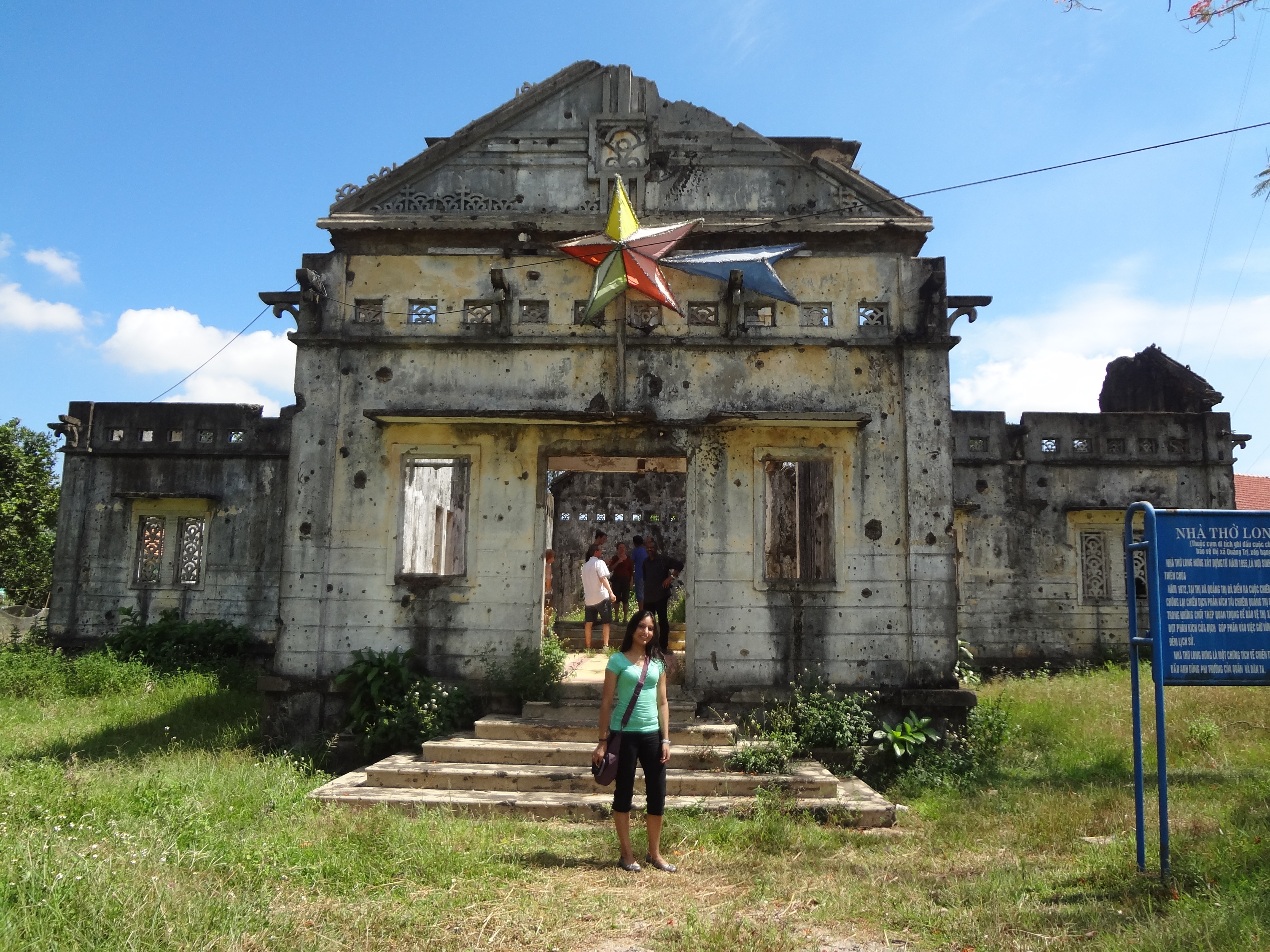
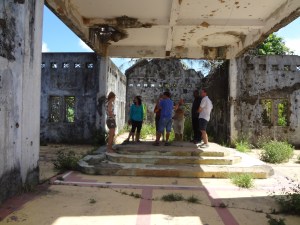
The church – outside and inside
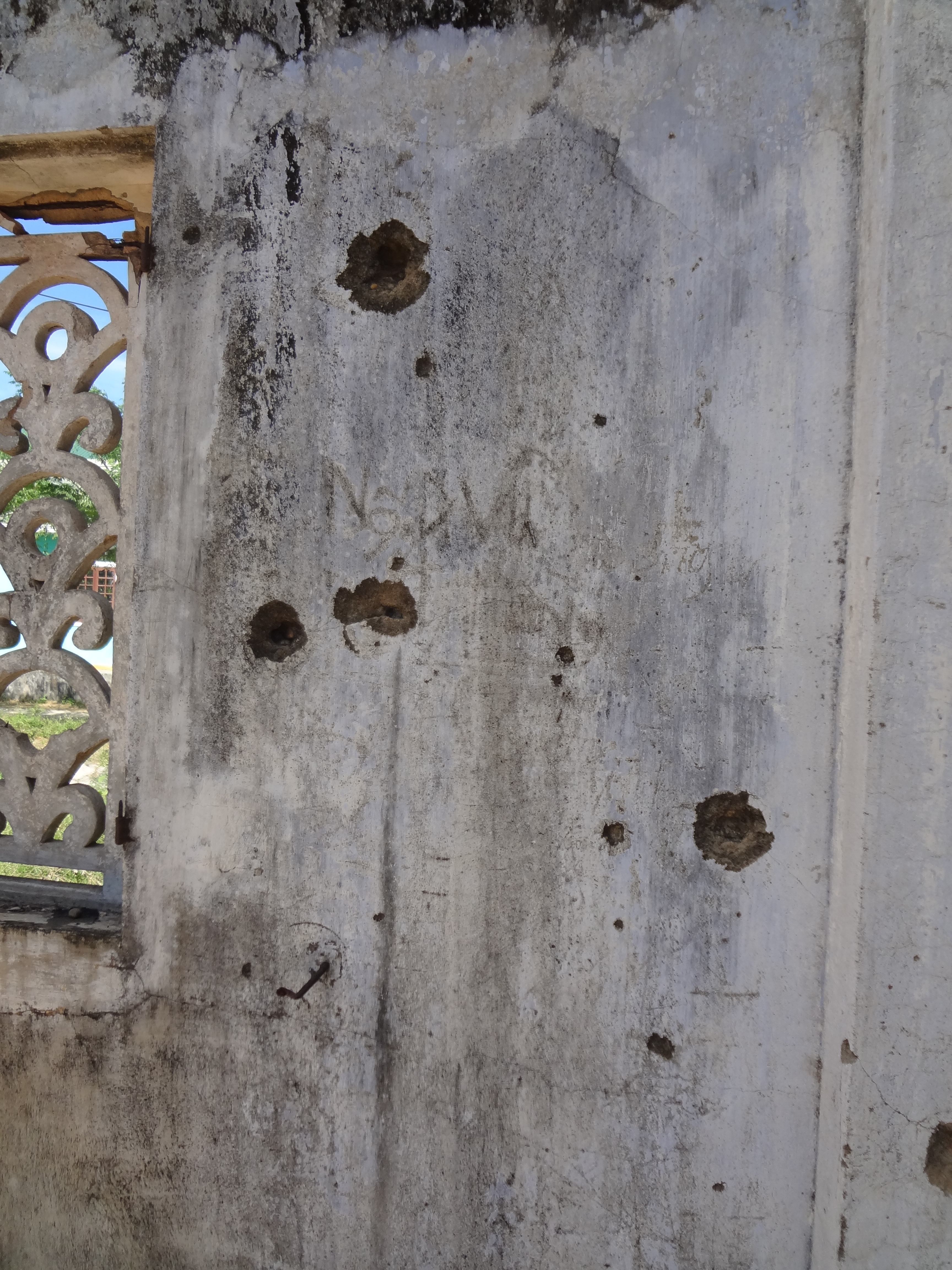 Bullet holes in the walls
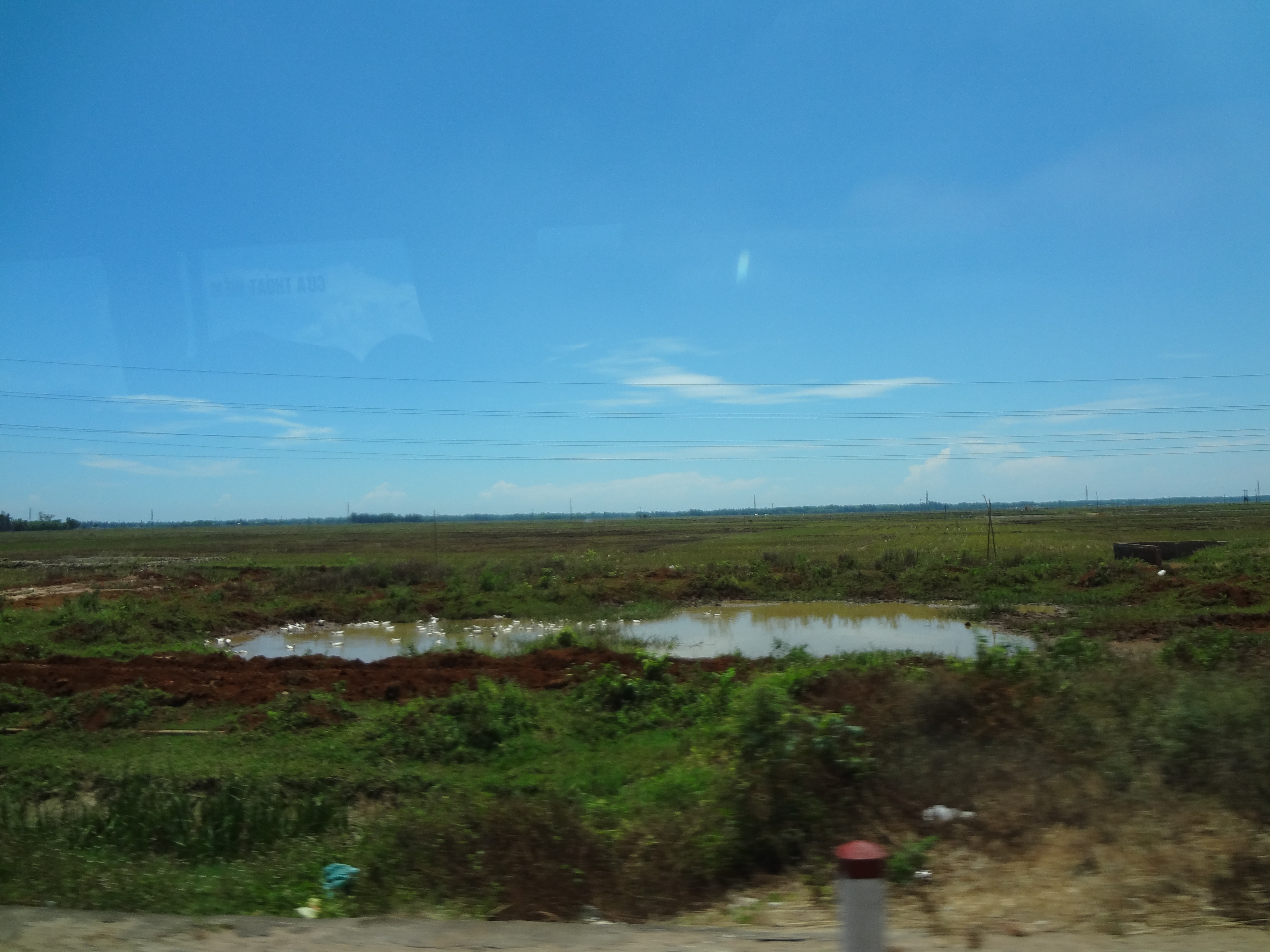
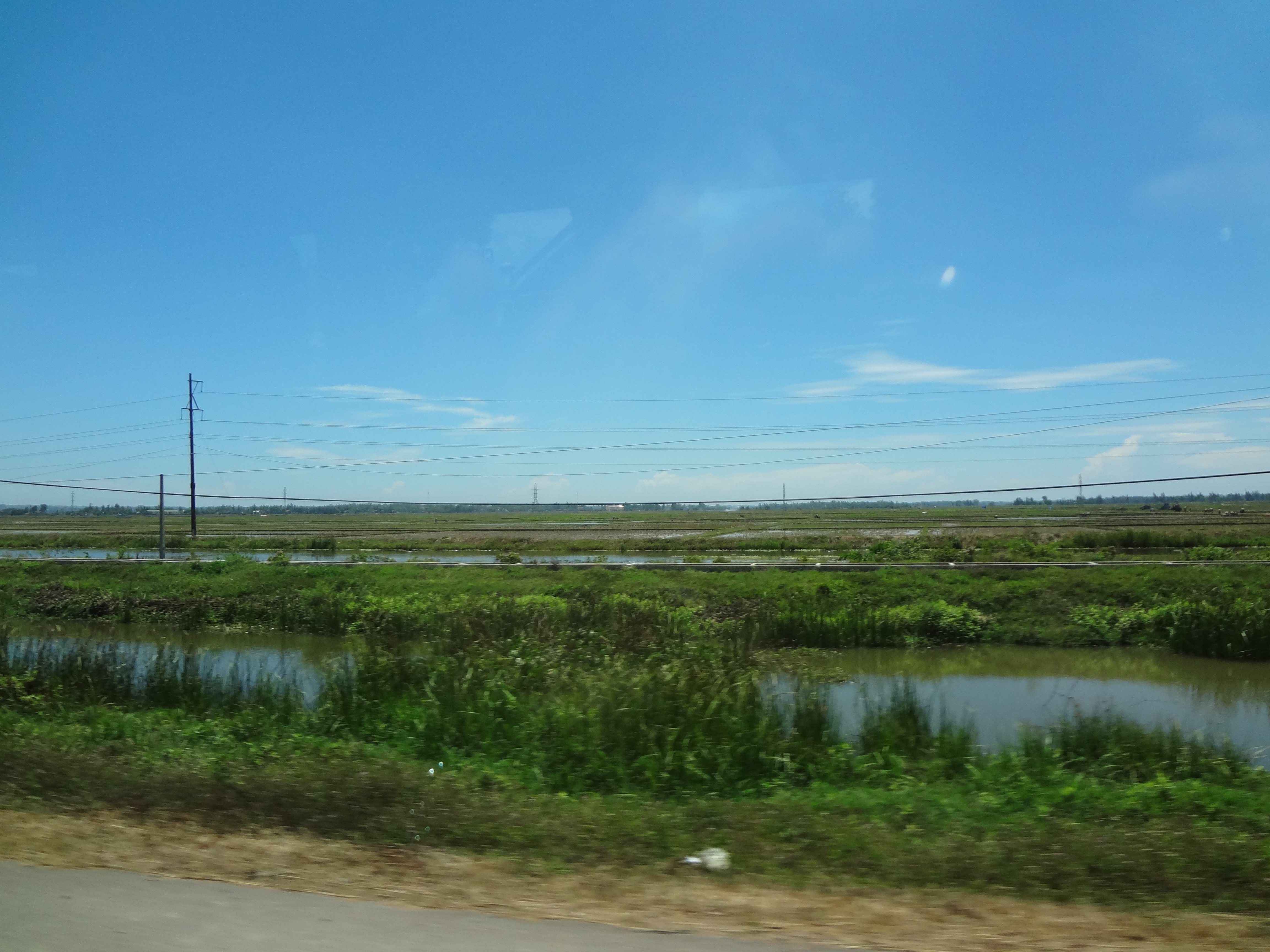
Present day DMZ
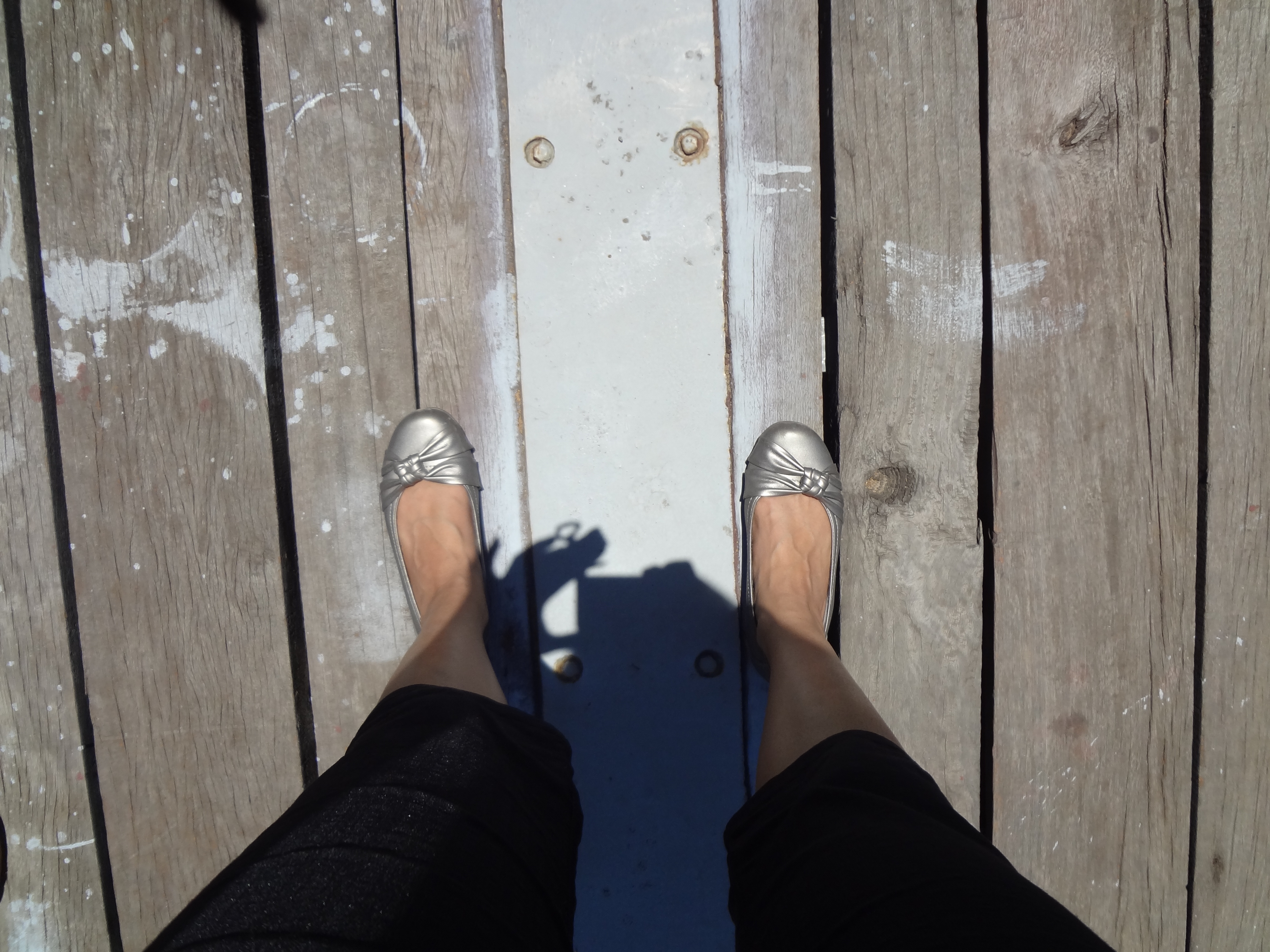 Standing on the division line between the North and South
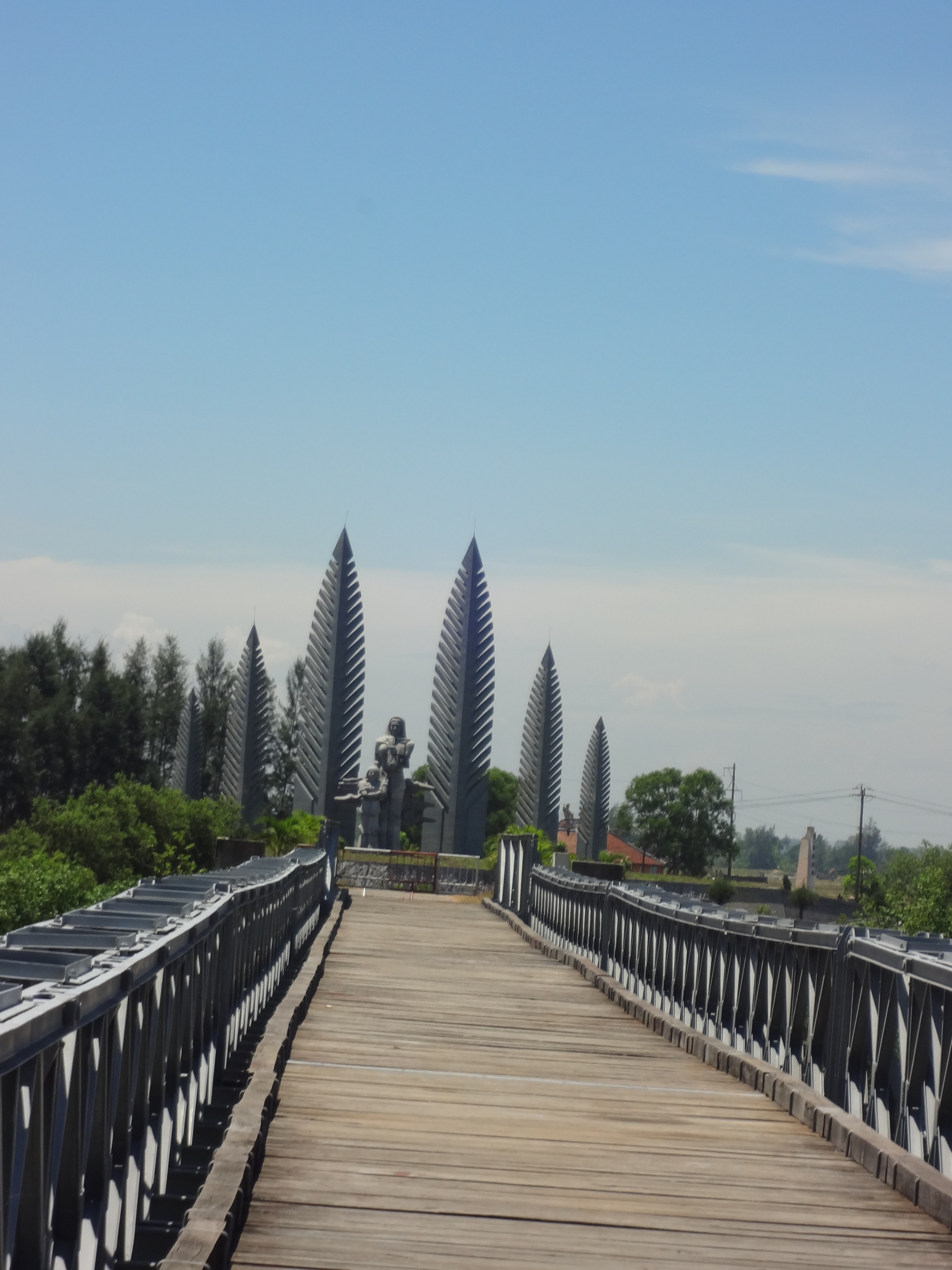
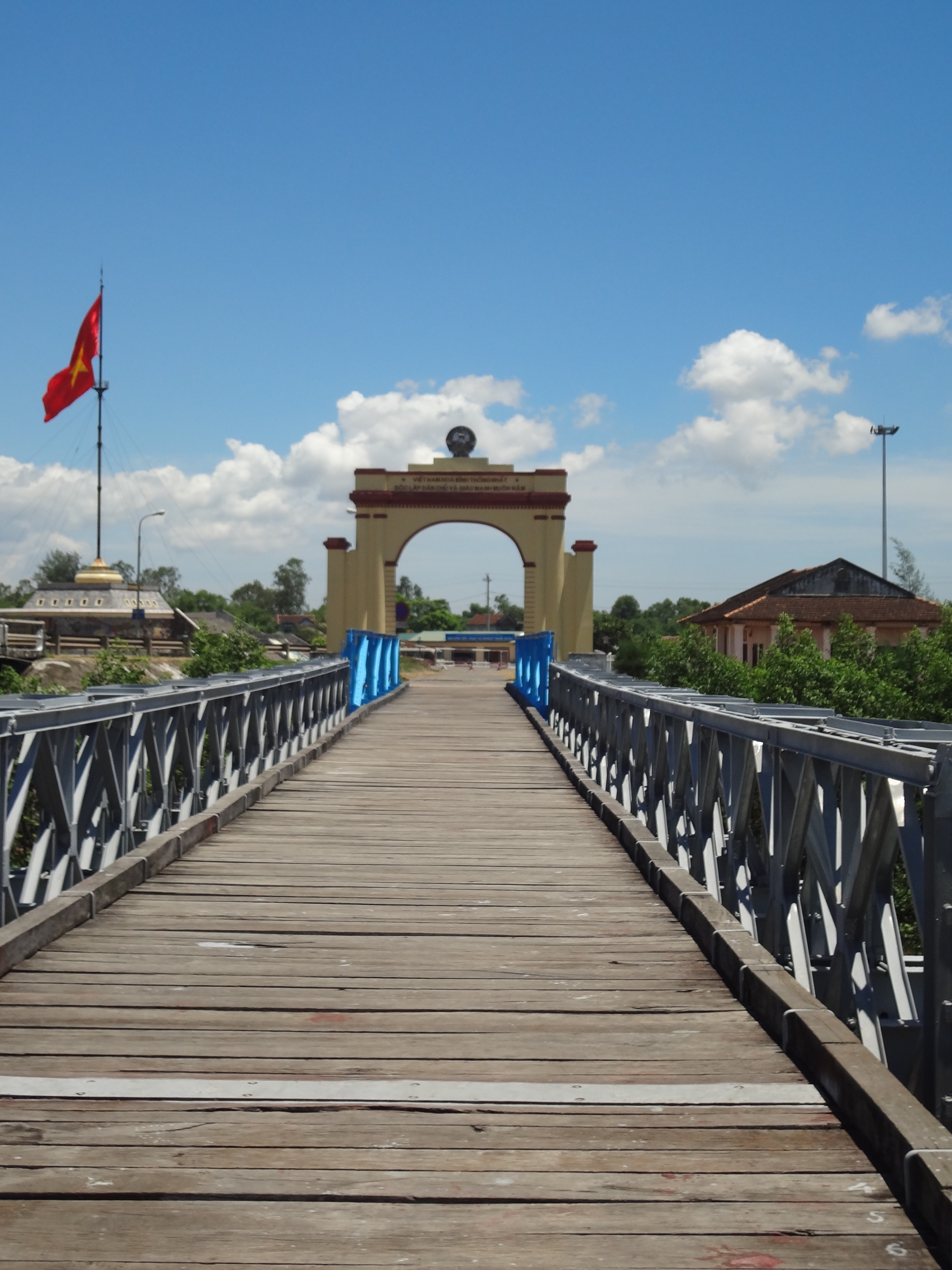
(Left) A look to the South, (Right), A look to the North
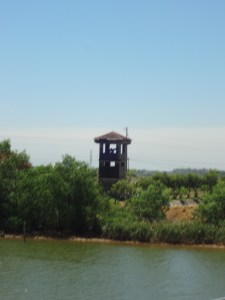
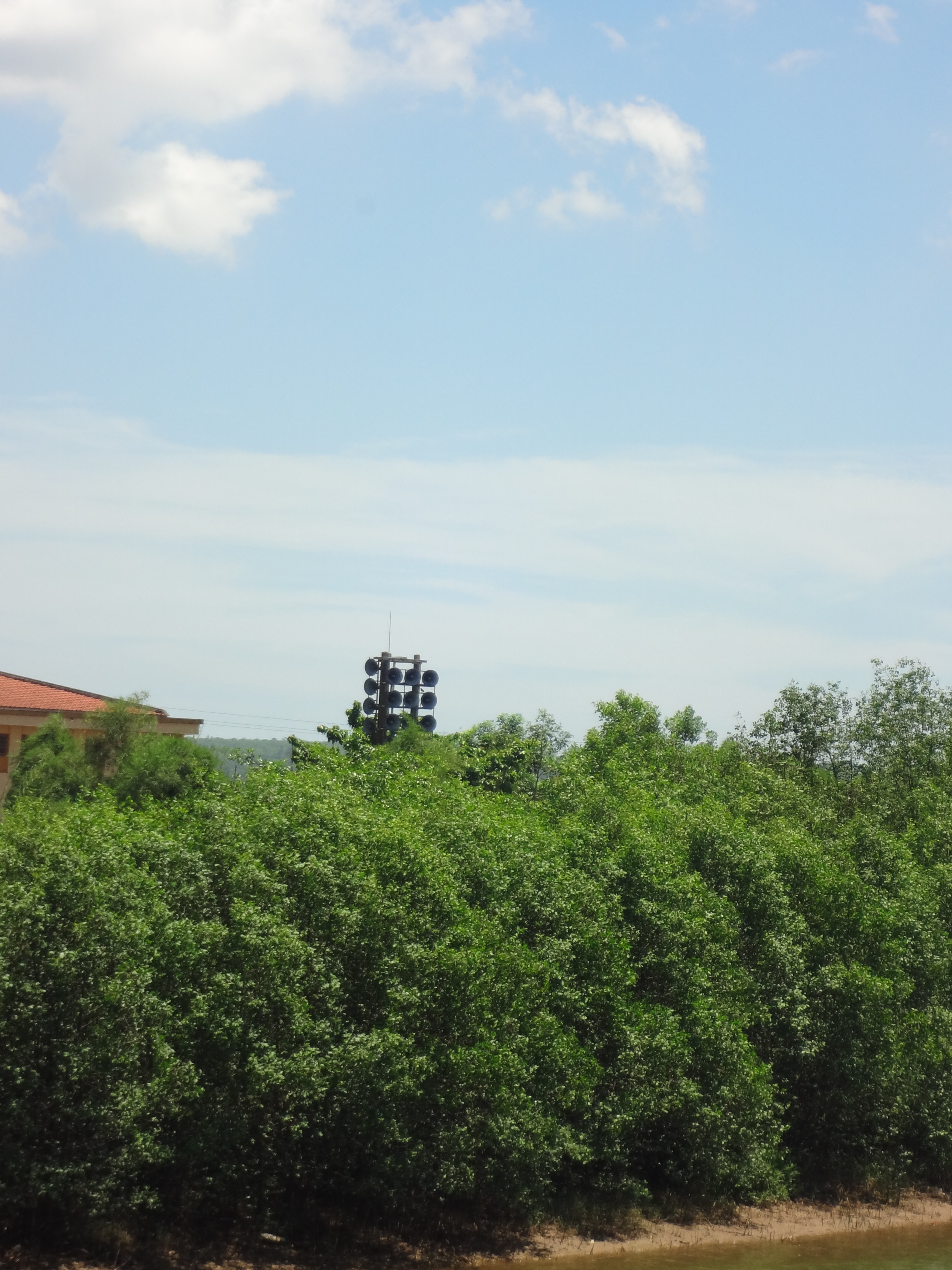
Each sided blasted propaganda, all day – (left) South tower (right) North tower
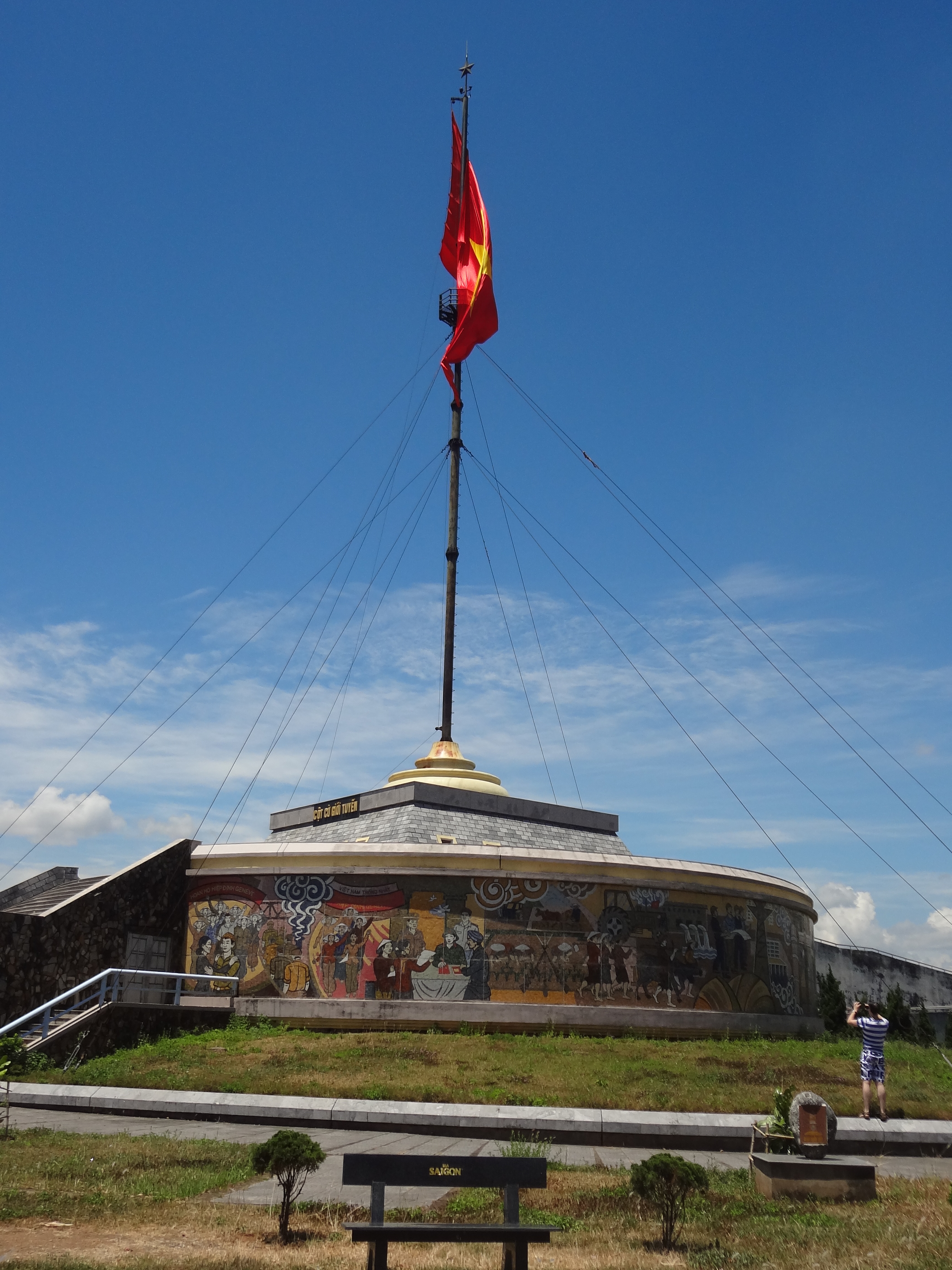
The Northern flag – had to be rebuilt multiple times during the war due to the bombings
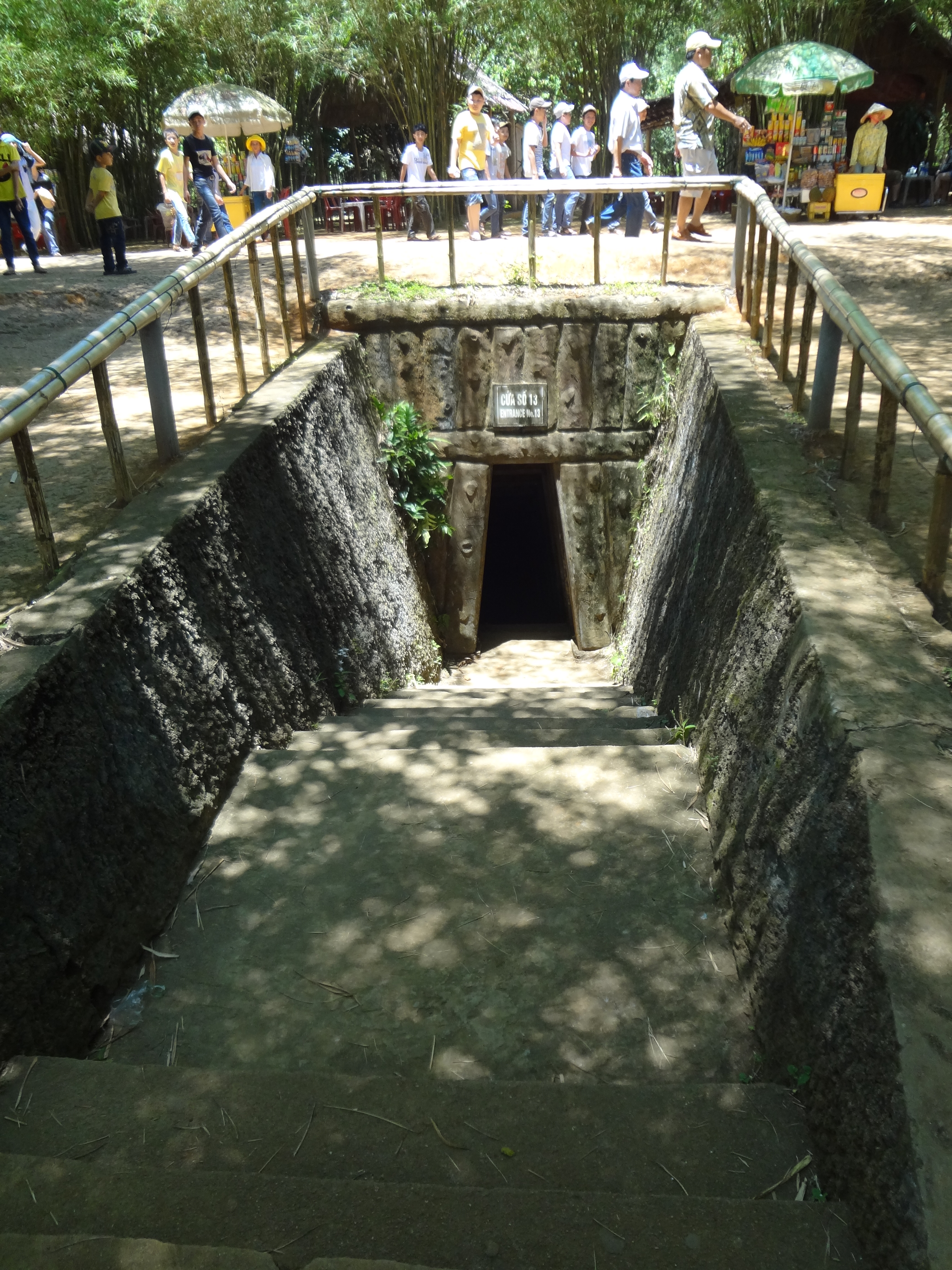 One of the 13 entrances to the Vinh Moc Tunnels (this was Entrance #13)
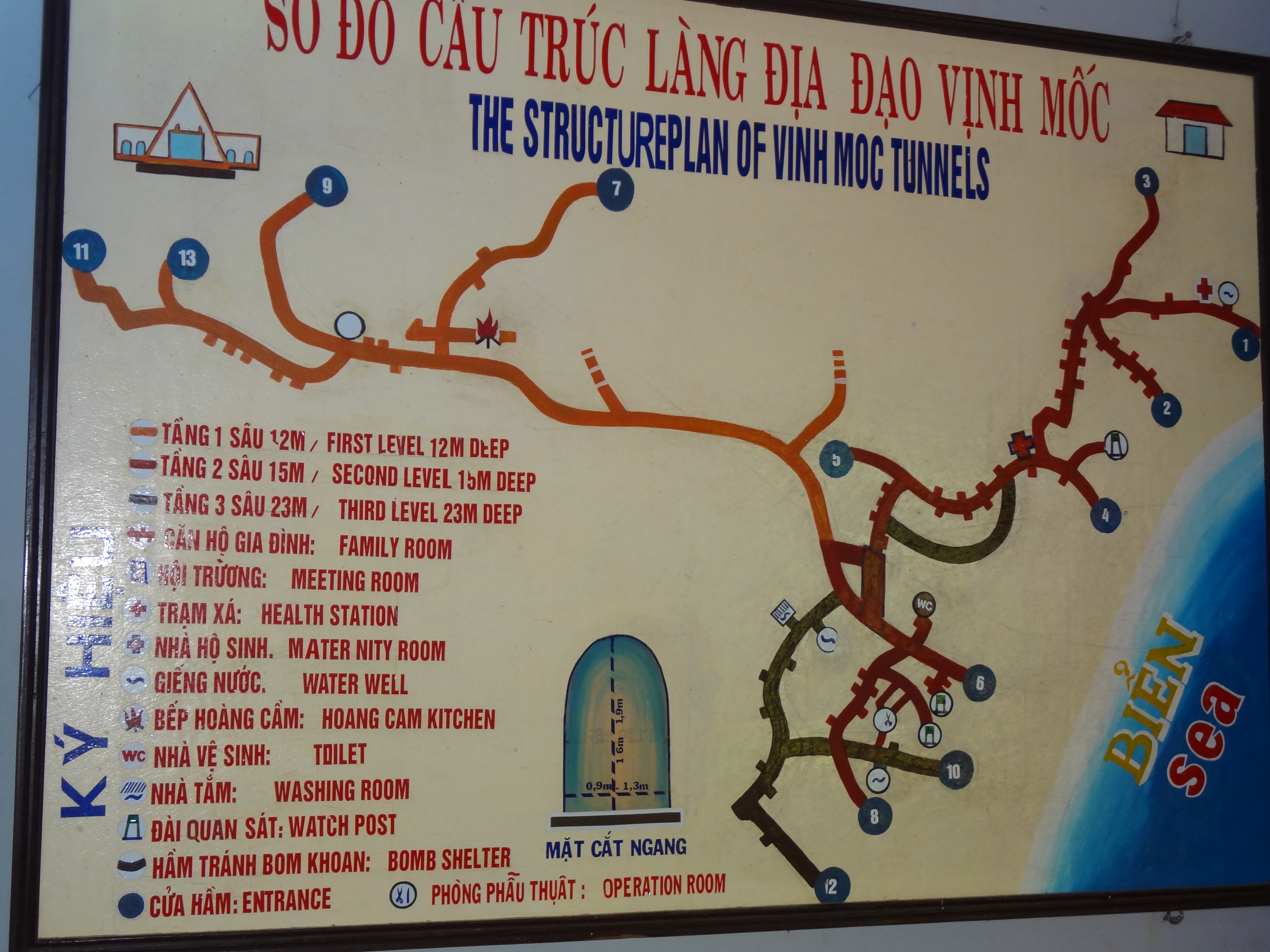
Map of the three story tunnel system
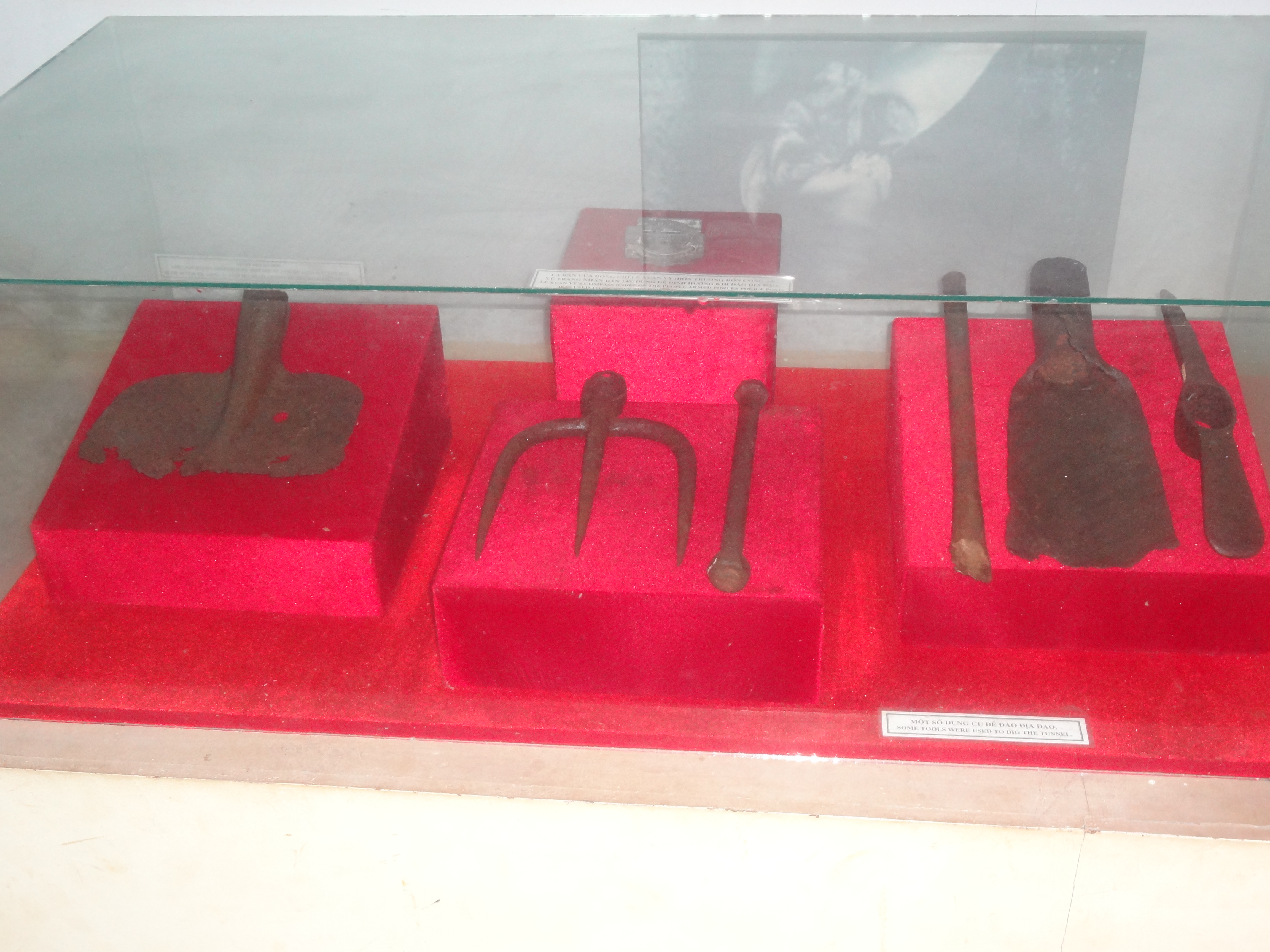 Tools used to dig the tunnel
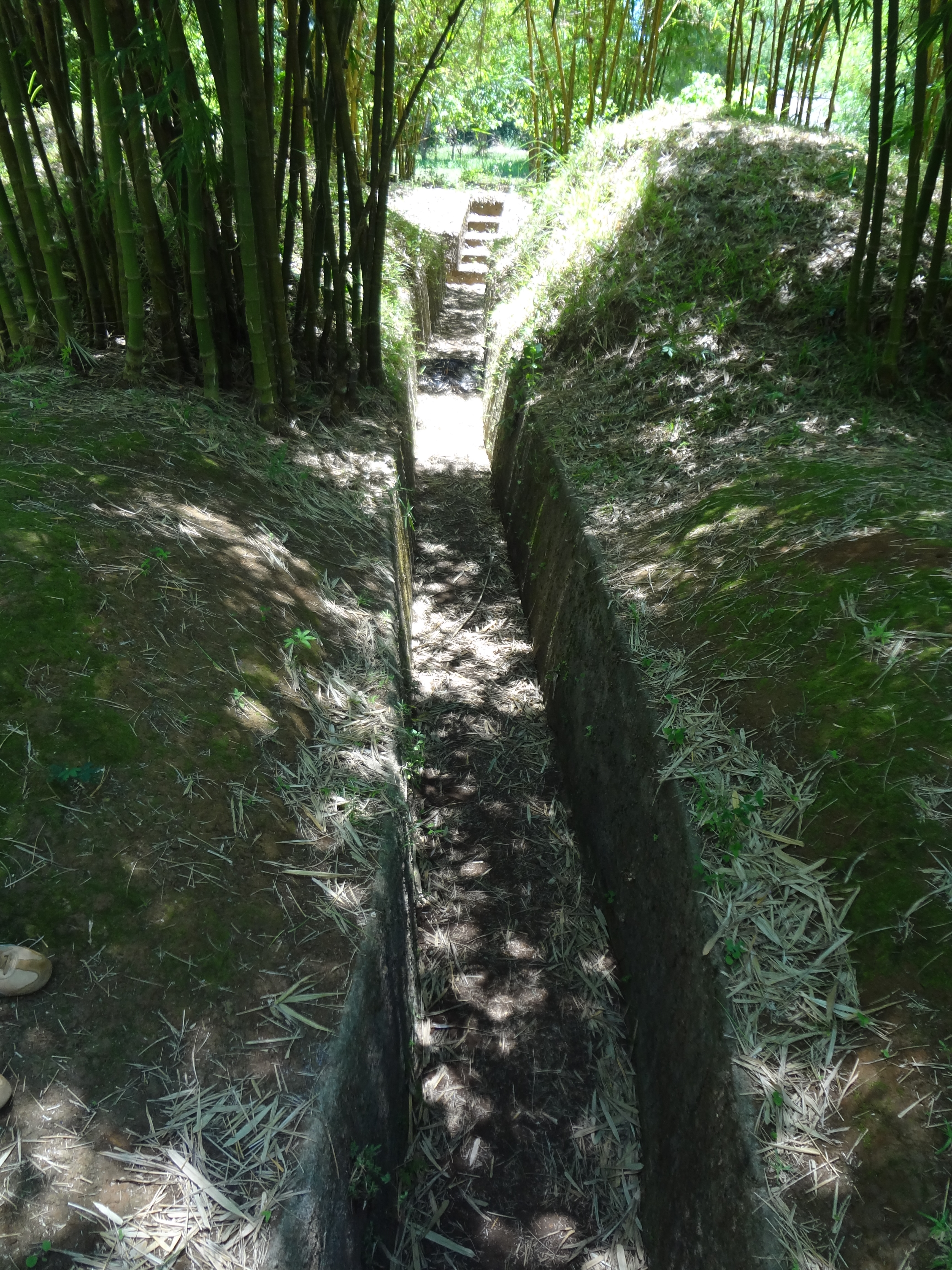
Trenches surrounded the campus above ground for quick hiding and transportation of materials
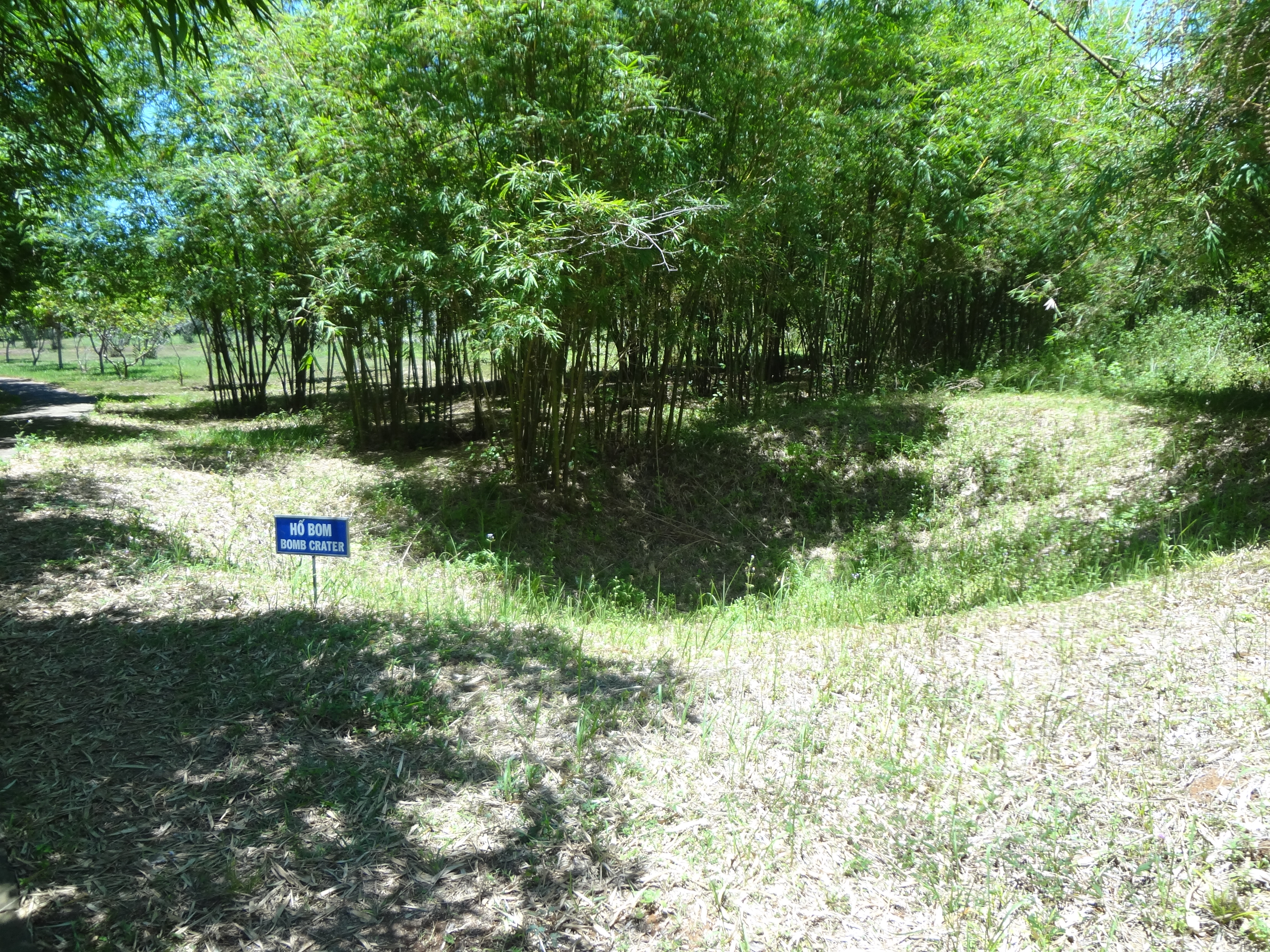
One of the many bomb holes
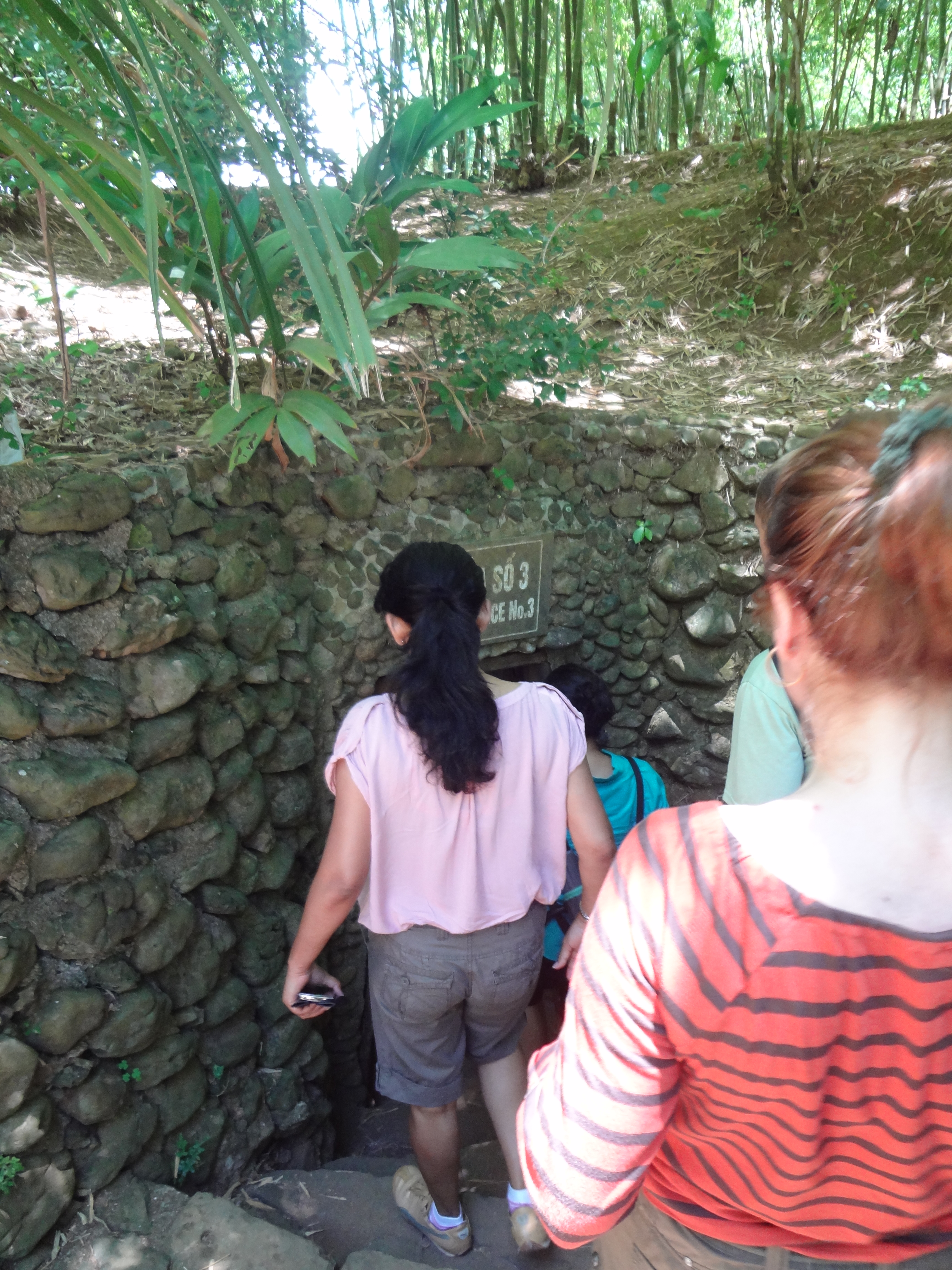
The last picture I took before entering the tunnels
Unfortunately, I did not last in the tunnels too long. The claustrophobia that I didn’t really know I had worsened, and I had to rush out for some fresh air! The tour underground was quick, but I guess I have to wait to get the pictures from my teammates later! Edit: I did view them off their cameras, it’s dark, small and hard to picture, but still an impressive system!
 the reeyality blog